Study in USA for Indian Students
Study in USA
Why Choose USA for Education?
Studying in the USA offers a unique blend of cultural diversity, world-class education, and extensive career opportunities.
Home to top-ranked universities, the country excels in research and innovation, providing a wide range of specialized courses tailored to international students. With numerous financial aid options, vibrant campus life, and the chance to improve English skills through immersion, the USA remains a preferred destination for higher education despite the competitive visa process. A degree from a prestigious American institution significantly enhances employability, equipping students with a global perspective sought by employers worldwide.
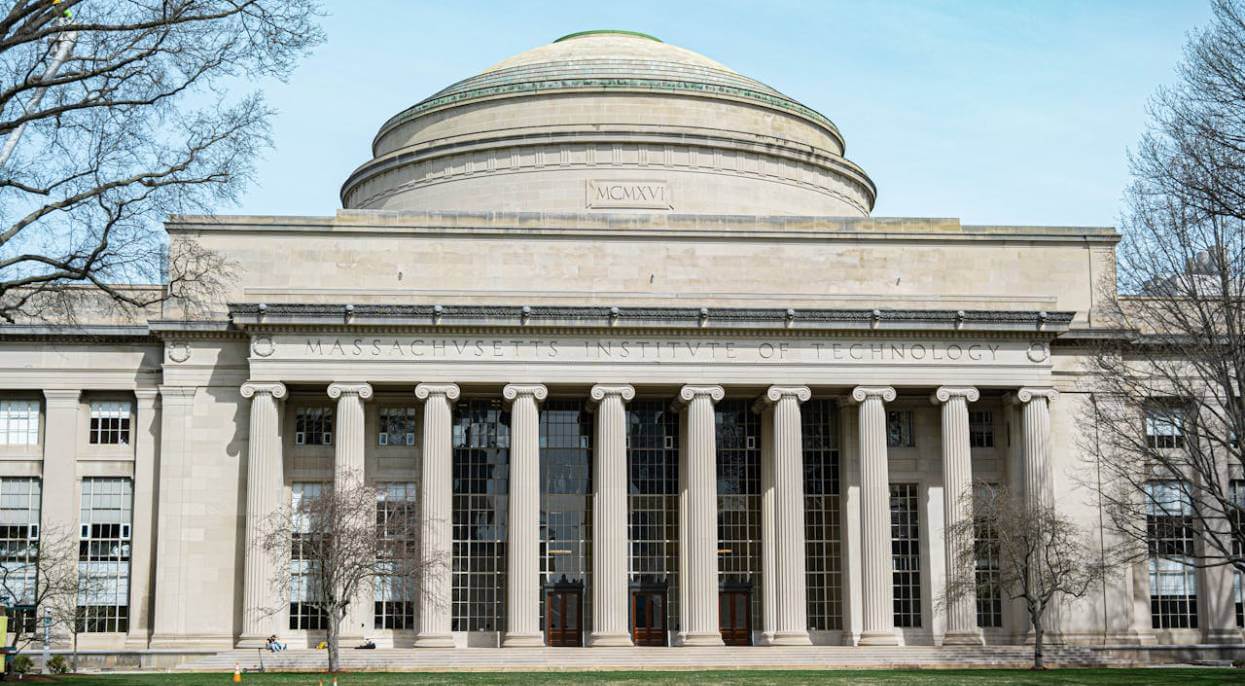
World Class Education
The American education system is celebrated for its rigorous academic standards and innovative learning approaches, offering a rich tapestry of study options across both STEM (Science, Technology, Engineering, and Mathematics) and non-STEM fields such as the humanities, social sciences, and the arts. Home to some of the world’s premier universities, the USA provides an unparalleled student experience, fostering critical thinking and creativity. Graduates emerge with qualifications that are highly esteemed by employers around the globe.
Globally recognised qualifications
Degrees from American institutions—spanning both STEM and non-STEM disciplines—are recognized internationally, greatly enhancing your career prospects. Graduates from U.S. universities are in high demand, as employers worldwide appreciate the relevance, rigor, and alignment of American qualifications with industry standards. Studying in the USA equips students with the skills, knowledge, and global perspective needed to thrive in today’s competitive job market.
USA shines as a top destination for international students eager to pursue transformative higher education experiences.
Quick Facts
- Washington, D.C. is the capital of the United States.
- The USA is composed of 50 states, including California, Texas, New York, Florida, and Illinois.
- Major cities in the USA include New York City, Los Angeles, Chicago, Houston, Philadelphia, San Francisco, Seattle, and Boston.
- The USA is home to over 4,000 degree-granting institutions, including public, private, and community colleges.
- 7 out of the 30 Best Student Cities in the world are in the USA (QS Best Student Cities 2024).
- American universities have produced numerous Nobel Laureates across various fields, reflecting the country’s strong emphasis on research and innovation.
Cost of Studying in the USA
Tuition is set by each institution and varies widely between them; the living, books and insurance figures are what a year costs, and the two visa charges are what the U.S. government collects. None of them is our charge — we do not receive any part of them.
| Cost category | Details | Estimated cost in USD |
|---|---|---|
| Tuition fees, public universities | Undergraduate $10,000 – $30,000 | $10,000 – $30,000 |
| Graduate $15,000 – $40,000 | $15,000 – $40,000 | |
| Tuition fees, private universities | Undergraduate $30,000 – $60,000 | $30,000 – $60,000 |
| Graduate $20,000 – $50,000 | $20,000 – $50,000 | |
| Living expenses | Per year $15,000 – $37,500 | $15,000 – $37,500 |
| Books and supplies | Per year $500 – $1,500 | $500 – $1,500 |
| Health insurance | Per year $500 – $2,000 | $500 – $2,000 |
| Visa fees (approximate) | SEVIS fee $350 | $350 |
| Visa application fee $185 | $185 |
Costs: U.S. institutions revise their tuition every year and the SEVIS and visa application charges move on the government’s own schedule, so a figure that is right for one intake can be wrong for the next. Tell us which intake and which institutions you are aiming at and we will confirm what you will actually need.
Ask us about USA costsLanguage Proficiency Tests
The U.S. immigration authorities accept scores from several recognized English language proficiency tests taken at authorized test centers for student visa requirements.
-
Duolingo English Test (DET)
Some programs also ask for a graduate admission test. Neither of these measures English — they measure academic readiness, and they are asked for in addition to a language score rather than instead of one:
- Graduate Record Examination (GRE)
- Typically required for various graduate programs across disciplines.
- Graduate Management Admission Test (GMAT)
- Specifically designed for admission to business schools and MBA programs.
Popular Courses in USA
-
Business Administration and Management
-
Engineering (Various Disciplines)
-
Computer Science and Information Technology
-
Health Sciences and Nursing
-
Psychology
-
Finance and Accounting
Step by step
How to apply to study in the USA
The USA runs three intakes a year, so there is no single deadline — you work backwards from the one you are aiming at. Allow twelve to eighteen months from first conversation to boarding the plane, which is longer than most destinations need: a U.S. application can involve an admission test as well as a language test, and both take booking, sitting and sometimes retaking before anything else can start.
-
Pick your intake and work back from it
Fall is the main intake, typically starting in August or September, and carries the widest choice of programs. Spring usually begins in January. Summer is offered for select programs only, starting in May or June. Availability varies by program, so check that yours runs in the intake you want before you build a plan around it.
-
Decide the level, and find out which tests it means
This is the step that sets the whole timetable. Undergraduate and graduate applications ask for different things, and many graduate programs want an admission test — the GRE across most disciplines, the GMAT for business schools and MBAs — on top of an English score. Find out which your shortlist asks for now, because a test you have to book, sit and possibly retake is the one thing in this list you cannot compress later.
-
Shortlist institutions, and check each one is SEVP-approved
There are over 4,000 degree-granting institutions to choose between — public universities, private universities and community colleges. The student visa requires acceptance into a full-time program at a school approved by the Student and Exchange Visitor Program, so approval is not a detail to confirm afterwards; it decides whether an offer can become a visa at all.
-
Sit an accepted English test
IELTS, PTE Academic, TOEFL or the Duolingo English Test — the list is above, and which of them your institution accepts, at which score, is worth confirming before you book. Leave enough room to retake the test once if you need to, and to sit the admission test from step 02 in the same stretch.
-
Apply, and assemble the application materials
Applications go direct to each institution rather than through one national portal, and they go to several rather than one. Academic qualifications and transcripts, your language and admission scores, the application materials each institution asks for, financial documentation and health insurance are what the entry requirements below name. Transcripts and passports are the slowest to obtain, so start those first, not last.
-
Accept the offer and pay the SEVIS fee
An offer is usually conditional. You meet the conditions, accept it and pay the deposit, and the institution issues the acceptance letter everything after this is built on. The SEVIS fee is paid once that letter is in hand and before the visa application, so it is the first charge that is not the institution’s.
-
Complete the DS-160 and sit the visa interview
The visa application form goes in online, and then you schedule an interview at a U.S. embassy or consulate. This is the stage nobody can hurry — appointment availability is not in your control or ours — which is why everything above has to be finished before it starts, and why the earlier steps set the timetable rather than this one.
-
Pre-departure
What to carry in hand baggage, what your work rights are once you land and how they change during scheduled breaks, when practical training becomes available and what you have to do to keep your status, how to open a bank account, accommodation for at least the first few weeks, and who to contact in the first week. If your spouse or children are travelling with you, their visa is a separate application on the back of yours.
FAQs
Studying in the USA — your questions answered
Can I work while I study?
Yes, international students on F-1 visas can work while studying in the USA, following specific regulations. They are allowed to work on-campus for up to 20 hours per week during the academic term and full-time during breaks. It’s advisable to find flexible jobs to balance work and studies. After one academic year, students can apply for off-campus work opportunities through Curricular Practical Training (CPT) and Optional Practical Training (OPT).
What is Curricular Practical Training (CPT)?
Curricular Practical Training (CPT) is an employment authorization for F-1 international students in the U.S., allowing practical experience related to their studies. Students can work part-time (up to 20 hours per week) during the academic year or full-time during breaks or their final semester. It’s crucial to maintain F-1 status and comply with regulations, as 12 months or more of full-time CPT may affect eligibility for Optional Practical Training (OPT).
What is Optional Practical Training (OPT)?
Optional Practical Training (OPT) permits F-1 international students in the U.S. to work in their field of study after one academic year, offering up to 12 months of authorization with a 24-month STEM extension. Students must coordinate with their Designated School Official (DSO) and maintain F-1 status while ensuring their employment relates to their major to enhance career prospects.
How long can I stay in the USA after completing my studies?
After graduation, you may be eligible for Optional Practical Training (OPT), which allows you to work for up to 12 months (or 36 months for STEM graduates) in your field of study.
What is STEM education?
STEM education in the U.S. covers Science, Technology, Engineering, and Mathematics, emphasizing hands-on learning and critical thinking to prepare students for high-demand careers. It is actively supported through funding and initiatives, with additional opportunities for international students, including a 24-month Optional Practical Training (OPT) extension to enhance their work experience.
What is non-STEM education?
Non-STEM education encompasses a wide range of disciplines, including the humanities, social sciences, arts, business, and education. It emphasizes the development of critical thinking, effective communication, and problem-solving skills, playing a vital role in addressing social and cultural issues. This approach fosters a well-rounded education that enriches individual lives and contributes to a deeper understanding of the complexities of human experience and society.
How can I apply for a student visa?
After receiving your acceptance letter from a U.S. institution, you’ll need to pay the SEVIS fee, complete the DS-160 visa application form, and schedule an interview at a U.S. embassy or consulate.
+91 9720510000What are the most popular fields of study in the USA?
Popular fields include business, engineering, computer science, health sciences, and liberal arts. However, the choice depends on individual interests and career goals.
How can I find scholarships to study in the USA?
Scholarships can be found through universities, government programs, private organizations, and international education agencies. Researching and applying early is key.
What are the criteria for available scholarships?
Scholarship criteria in the U.S. vary by program but commonly include academic achievement, financial need, field of study, and extracurricular involvement. Additionally, factors such as demographic background, essays, residency status, and application deadlines play significant roles in eligibility.
What are the entry requirements in the USA?
- Academic Qualifications
- Language Proficiency
- Standardized Tests
- Application Materials
- Financial Documentation
- Visa Requirements
- Health Insurance
Will I be eligible for a post-study work visa?
To be eligible for a post-study work visa in the U.S. through Optional Practical Training (OPT), you must hold an F-1 visa, complete at least one academic year in a full-time degree program, and apply within specific timelines. Graduates from STEM programs can qualify for a 24-month extension, totaling up to 36 months of work authorization.
How many intakes are there in a year?
In the U.S., most colleges and universities offer three main intakes each year:
- 1 Fall Intake: The most popular option, typically starting in August or September, welcoming a vibrant new cohort of students.
- 2 Spring Intake: Usually begins in January, providing a fresh start for those looking to embark on their academic journey mid-year.
- 3 Summer Intake: Often available for select programs, starting in May or June, catering to students seeking to accelerate their studies or explore specific courses.
Can I bring my family with me while studying?
Yes, F-1 visa holders can bring dependents (spouse and children) on an F-2 visa, but they are not permitted to work.
What is the difference between the F-1 and F-2 visas?
The F-1 is the student visa and the F-2 is the visa for a student’s dependents. They differ on five points:
- Purpose: F-1 — for international students enrolled in academic programs. F-2 — for dependents (spouse and children) of F-1 visa holders.
- Eligibility: F-1 — acceptance into a full-time program at a SEVP-approved school. F-2 — must be the spouse or unmarried children under 21 of an F-1 holder.
- Duration: F-1 — valid for the duration of the academic program plus authorized practical training (e.g. OPT). F-2 — valid as long as the F-1 visa holder maintains their status.
- Work authorization: F-1 — allowed to work on-campus; can apply for OPT or CPT. F-2 — not allowed to work; may study part-time.
- Dependents: F-1 — can bring dependents on F-2 visas. F-2 — cannot bring dependents to the U.S.
From the blog